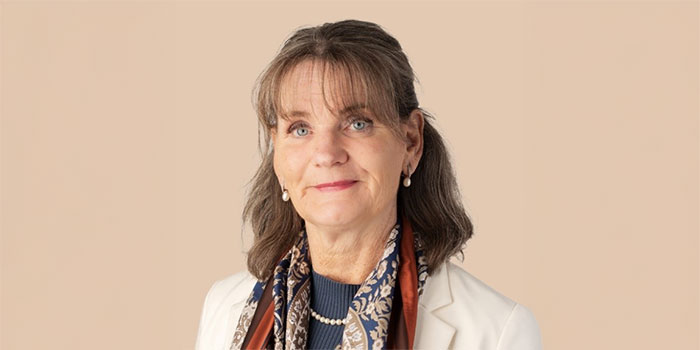
3 Q&A interview with Camilla Oldgren, new CEO of GBA Key2Compliance
Aug 6, 2025
1) What do you see as the key challenges and key opportunities for life science in the Nordics in general and the Medicon Valley region in particular?
The life science sector in the Nordics - especially in Medicon Valley - has strong foundations in research, innovation, and industry. However, challenges like cross-border fragmentation, talent shortages, and regulatory complexity can slow progress. At the same time, there are major opportunities in digital health, personalised medicine, and sustainable healthcare, supported by rich health data and advanced infrastructure.
Collaboration is more important than ever. Cross-border and cross-sector partnerships -between Denmark and Sweden, academia and industry, and with society are essential to turn research into real-world solutions, accelerate innovation, and prioritise patient safety. Working together is the key to strengthening the region’s global leadership in life science, ultimately improving patient outcomes and delivering long-term health and economic benefits for the Society.
2) What are the must-win battles and key objectives for you and GBA Key2Compliance AB in the next couple of years?
To thrive in the evolving life science landscape, GBA Key2Compliance must lead where regulation meets innovation. This means becoming the trusted partner for companies developing complex, high-risk products that combine drugs, devices, software, and AI - and helping them navigate a regulatory environment that’s still catching up.
At the same time, we must continue to deliver exceptional service to our existing customers, adapting to their evolving needs as we drive innovation forward. Our success relies on having the most experienced and talented employees, and to maintain our leadership, we must also attract the most experienced professionals in the industry.
Achieving success in this space requires not only agility and deep expertise but also a collaborative effort across our teams, a global perspective, and a clear focus on where the industry is heading next.
3) Based on your more than 30 years of experience in the life sciences industry, what development has surprised you the most?
I am surprised by the speed and impressed the way AI and machine learning has been implemented in the Life Science. They have rapidly become essential tools, enabling capabilities that were previously impossible due to the complexity and scale of for example biological data. In the last decade especially, AI has moved from experimental applications to real-world impact in drug development, diagnostics, and clinical decision-making.